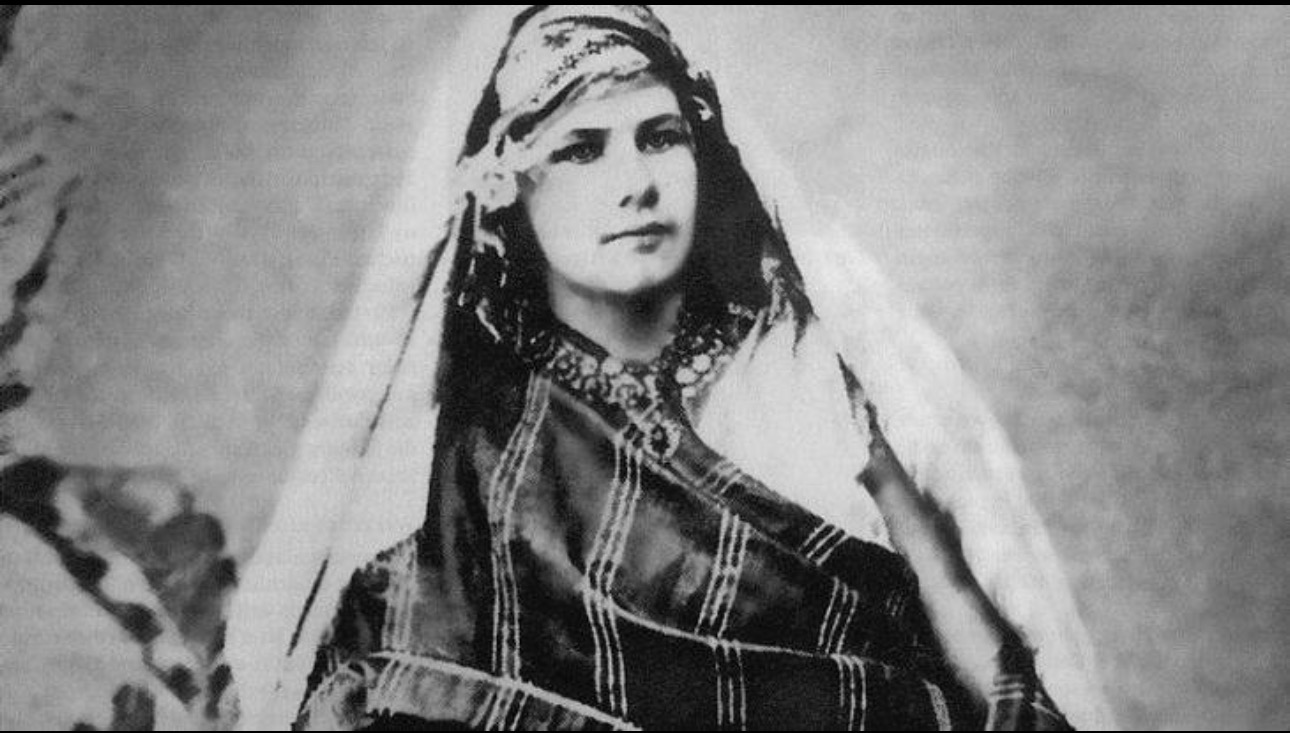
Isabelle Eberhardt wanted the freedom to leave, to ride a horse, to travel, to stop among strangers and to set off again the next day. She wanted to decide how to live in a society that severely restricted women’s freedom. She wrote: “And yet, wandering means emancipation, and life along the roads means freedom.” This conviction runs through her personal notes. It was in Algeria that she sought to live that freedom.
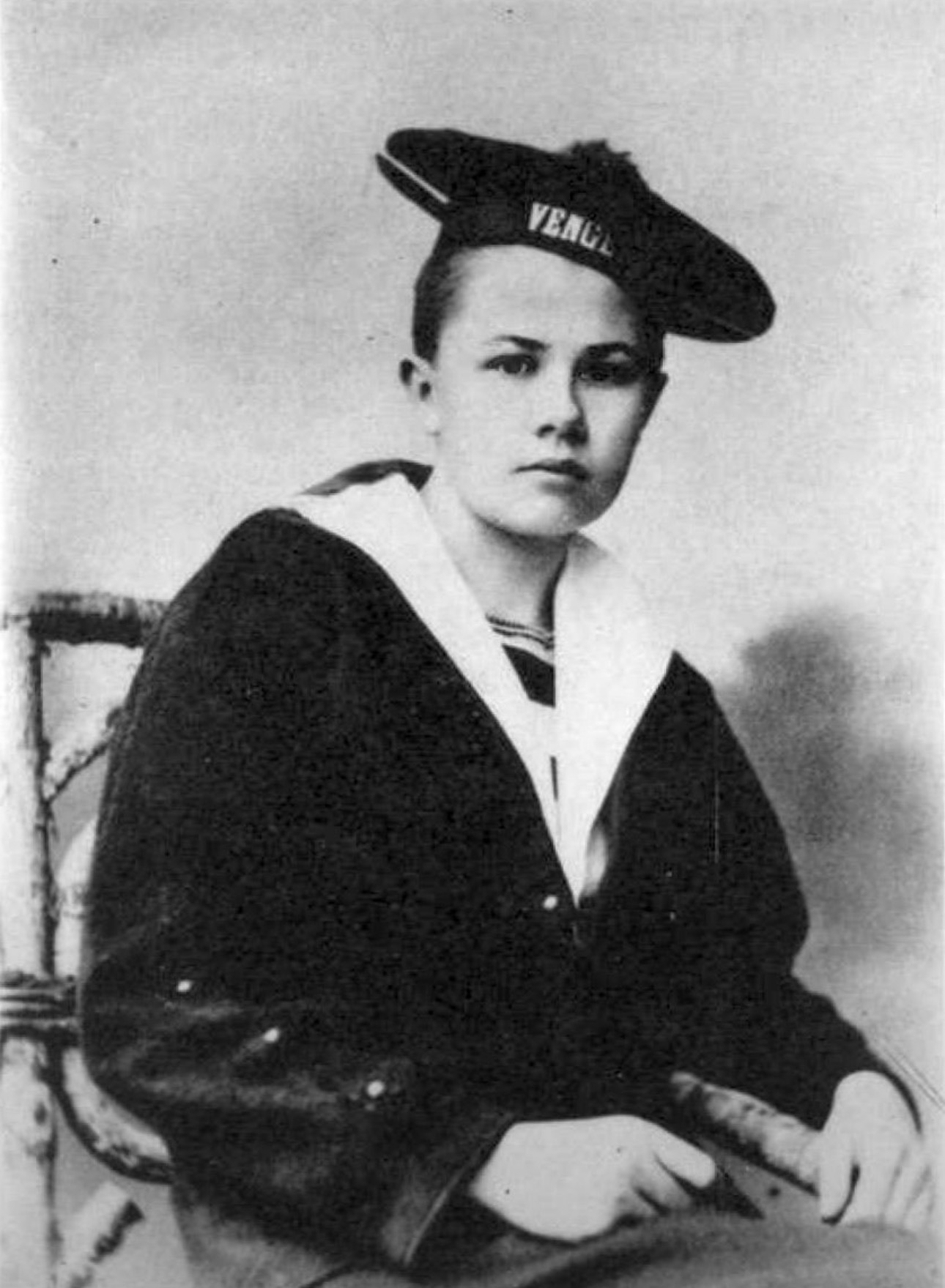
Born in Geneva in 1877, Isabelle grew up in an unconventional household. She learned languages, read passionately and developed an early interest in Arabic. She wore men’s clothing before crossing the Mediterranean. In 1897, she arrived with her mother in Bône, now Annaba. She was twenty. A new chapter of her life was beginning.
Becoming Si Mahmoud
Her commitment to Islam shaped her whole existence. She became Muslim and joined the Qadiriyya Sufi order. Wearing men’s clothing, she travelled through the country as Si Mahmoud Saadi. In the Souf region, she met Slimane Ehnni, an Algerian non-commissioned officer in the spahis cavalry. She married him in Marseille in 1901.
In 1901, she survived a sabre attack at Behima, near El Oued. The French colonial administration subsequently expelled her from Algeria. This expulsion reveals the conflict between Isabelle and that administration. Her later relations with Lyautey should not obscure it. Her marriage gave her French citizenship and enabled her to return. She then contributed to Akhbar, the newspaper edited by Victor Barrucand. Writing also became a source of income.
Her life remained difficult. Money was scarce, illness weakened her and she travelled constantly. The famous photographs and the iconic image of the traveller in a burnous should not obscure the young woman seeking her place and enduring the hardships of independence.
Algeria through the lives of its people
Isabelle’s adventurous life has often been recounted. Her writing also deserves to be read.
Her stories follow peasants, day labourers, abandoned women and people without a settled home. She describes their work, hopes, loves and suffering. Poverty and humiliation have concrete consequences in their lives. People whom colonial vocabulary reduces to an anonymous category become fully realised characters.
In Pages d’Islam, she pays close attention to vulnerable lives and relations of domination. Poverty is more than a feature of the landscape. It affects bodies, restricts opportunities and creates dependence. The population’s living conditions reveal the reality of colonised Algeria. This is one of the strengths of her short stories.
Her writing is also precise in its evocation of the senses. In her pages on the Casbah, she describes cool courtyards, the smells of shops and rooms opening onto terraces and the harbour. As readers walk through the city, they encounter a place that is inhabited, full of sound and familiar.
Her closeness to its inhabitants gives depth to her writing. She takes an interest in their faith, relationships, motivations and suffering. She recognises that their inner lives are as rich as those of the people who claim the right to govern them.
Isabelle remained a European of her time and sometimes idealised what she observed. Yet her writing enables readers to meet the people whom so many colonial accounts describe with condescension.
Recovering her voice
Her relations with Lyautey have prompted much commentary. Their closeness does not mean they pursued the same objectives. Lyautey was a military officer serving French expansion. Isabelle wrote about the lives of colonised people and made a personal commitment to Islam.
Her voice must also be distinguished from Barrucand’s interpretation. An admirer of Lyautey, he retrospectively placed her life within a narrative favourable to the colonial enterprise and reworked part of her writing after her death. He acknowledges his interventions in the preface to Pages d’Islam. This appropriation is regrettable: he helped preserve her work while overlaying it with his own interpretation.
On 21 October 1904, a flood devastated Aïn Sefra. Weakened by illness, Isabelle died when her house collapsed. Slimane survived. She was twenty-seven. She was buried in the Muslim cemetery of Sidi Boudjemaâ.
Her short life has the dramatic force of a novel. But fascination with her tragic death should lead us to read her work.
It reveals an Algeria alive despite its hardships, and gives its inhabitants a central place. Perhaps the heart of Isabelle’s legacy lies in her sustained attention to the people among whom she chose to live.
Loading…